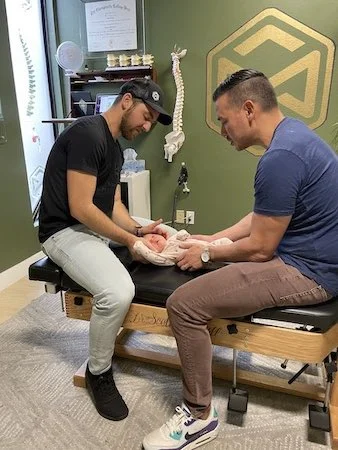


Pregnancy & Pediatric Chiropractic Care in Austin
Gentle, exam-led visits for pregnant patients and families who want conservative support, clear safety boundaries, and referral-aware care.
Call Before You BookWhat This Service Means Here
Pregnancy and pediatric chiropractic should be slower, gentler, more consent-driven, and more referral-aware than standard adult musculoskeletal care. The goal is not to make promises about fetal development, birth outcomes, colic, reflux, asthma, ear infections, or future health. The goal is to evaluate the person in front of us and decide whether conservative chiropractic support is appropriate.
For pregnant patients, that may mean musculoskeletal support for selected low back, hip, pelvic, or rib discomfort after OB red flags are screened. For children, it means careful history, age-appropriate exam, parent/guardian consent, gentle techniques, and clear referral when symptoms belong with a pediatrician, urgent care, emergency care, orthopedics, lactation, or another specialist.
What The Evidence Can Support
Pregnancy-related low back and pelvic girdle pain are common, and official guidance supports exercise, posture, support garments, rehab/physical therapy referral, and conservative options when appropriate. Chiropractic-specific evidence for pregnancy-related low back or pelvic girdle pain is favorable but inconclusive, so the page should use "may help selected musculoskeletal discomfort" rather than strong outcome claims.
Pediatric chiropractic evidence is more sensitive. The working source pack supports process and safety boundaries, not broad efficacy claims for infant or childhood conditions. Pediatric copy should focus on evaluation, gentle technique, consent, developmental context, and referral, not disease-treatment promises.
Draft support: PREG-ACOG-01, PREG-NICE-01, PREG-REVIEW-01, PREG-OMT-RCT-01, PED-SAFETY-01, PED-SAFETY-02, PED-BEST-01.
Pregnancy Care Boundaries
| Pregnancy Concern | What We Evaluate | Safe Framing |
|---|---|---|
| Low back, hip, or pelvic discomfort | Trimester, OB history, symptom pattern, red flags, movement tolerance, and provider guidance. | Gentle conservative support may fit selected musculoskeletal discomfort after appropriate screening. |
| Rib or mid-back discomfort | Breathing symptoms, chest pain, trauma, blood pressure concerns, and musculoskeletal pattern. | Screen first. Do not assume painful breathing is a rib that needs adjustment. |
| Self-cracking or pressure relief | Where the pressure is, what motions feel relieving, and whether symptoms suggest instability or irritation. | Teach safer movement options and avoid aggressive self-manipulation advice. |
| Birth-prep questions | Expectations, OB/midwife guidance, mobility goals, and comfort strategies. | Do not promise easier labor, fetal positioning, fewer interventions, or safer birth outcomes. |
Pediatric Care Boundaries
Pediatric visits should be framed around evaluation and safety, not health optimization promises. Parents may bring a child because of posture, sports bumps, movement concerns, discomfort, scoliosis questions, or a desire for a conservative opinion. The visit should still include careful history, age-appropriate exam, consent, and referral boundaries.
No disease-treatment claims. Do not claim chiropractic treats colic, reflux, constipation, asthma, ear infections, latch problems, immune function, or future adult health.
No birth-trauma certainty. Do not claim all babies need spinal correction after birth.
No risk-free language. Pediatric manual care should be described as gentle and carefully selected, not risk-free.
Referral stays open. Feeding, breathing, fever, developmental, neurological, orthopedic, or urgent concerns belong with the right pediatric clinician.
The Limitless Process
1. History first. Pregnancy stage, OB guidance, pediatric history, symptom timeline, health history, medications, red flags, and the family's goals are clarified before any care.
2. Consent and comfort. The visit should be explained plainly, with consent and comfort checked throughout. Pediatric care includes parent/guardian involvement.
3. Age- and stage-appropriate exam. The exam is different for an adult pregnant patient, an infant, a child, and a teen athlete.
4. Gentle care when appropriate. If conservative care fits, techniques should be gentle, specific, and matched to the person, not forced into an adult adjustment model.
5. Referral when needed. OB, pediatrician, emergency, urgent care, lactation, orthopedic, physical therapy, or specialist referral should be normal when symptoms call for it.
When Referral Comes First
Pregnancy urgent signs. Vaginal bleeding, contractions, severe abdominal pain, high blood pressure concern, severe headache, vision changes, shortness of breath, chest pain, fever, trauma, or decreased fetal movement should go through OB/emergency channels.
Infant urgent signs. Fever, breathing difficulty, poor feeding, dehydration signs, lethargy, seizure, trauma, or developmental concerns belong with pediatric medical care.
Neurological or orthopedic signs. Weakness, loss of coordination, severe pain, suspected fracture, hip dysplasia concern, torticollis with concerning signs, or worsening symptoms need the right clinician.
How the First Call Decides Whether This Visit Fits
This page should be phone-call-first because the range of possible situations is too wide for an automatic booking promise. A pregnant adult with stable low-back or pelvic discomfort, a teen athlete with posture concerns, an infant with feeding difficulty, and a child with fever or trauma do not belong in the same scheduling lane. The first call should clarify age, pregnancy status, symptom timeline, provider involvement, red flags, and what the family is hoping chiropractic care will do.
For pregnancy, the safe lane is musculoskeletal support after OB red flags are screened. That can include selected low-back, pelvic, hip, rib, or postural discomfort. The copy should not promise labor changes, fetal positioning, fewer interventions, easier delivery, fertility outcomes, or complication prevention. If symptoms involve bleeding, contractions, severe headache, vision changes, high blood pressure concerns, chest pain, shortness of breath, trauma, or decreased fetal movement, OB or emergency care comes first.
For pediatric care, the safe lane is process, consent, gentle technique selection, and referral. Parents deserve plain language about what is being evaluated and what is not being promised. The page should not claim chiropractic treats colic, reflux, latch problems, asthma, ear infections, constipation, immune function, developmental delays, or future adult health. If a child has fever, breathing difficulty, poor feeding, dehydration signs, lethargy, seizure, trauma, severe pain, neurological signs, or developmental concerns, the first stop is pediatric medical care.
That conservative posture does not weaken the page. It makes it usable. Families looking for gentle care need to know the office will say no when chiropractic is the wrong door, coordinate when another clinician belongs in the plan, and keep consent and comfort at the center of the visit.
The first visit, when appropriate, should be built around communication. A pregnant patient should understand positioning, technique choice, and when the visit will stop or change. A parent should understand what the chiropractor is checking, what will be done, what will not be done, and what signs would trigger referral. A child or teen should be spoken to directly at an age-appropriate level rather than treated as an object being adjusted.
This page also needs to protect the clinic from accidental Webster or pediatric-disease marketing. If Webster Technique is not actively offered and confirmed by Scott, it stays out. If a parent asks about colic, reflux, latch, immune function, ear infections, or developmental outcomes, the safe answer is that those claims are not what this page sells. Limitless can evaluate musculoskeletal comfort and movement concerns, then refer or co-manage when the concern belongs elsewhere.
Pricing should stay practical. The standard first-visit special can be mentioned, but pregnancy and pediatric cases may need a phone screen before booking so the office can confirm fit. A phone-first posture is not a conversion weakness here. It is the right clinical boundary for a mixed high-sensitivity page.
For pregnant patients who are a fit, success should be framed around comfort, movement tolerance, and practical self-management, not birth prediction. A useful plan might include positioning changes, gentle manual care, home movement, support-belt discussion, sleep-position adjustments, or referral to pelvic-floor physical therapy, OB, or another provider when that is the better lane.
For children and teens who are a fit, success should be framed around clear assessment, symptom behavior, safe participation, and parent understanding. A teen athlete with back or extremity discomfort needs a different conversation than an infant. A child with scoliosis concerns needs a different pathway than a child with acute illness. The page should make those differences explicit enough that the wrong patient does not self-select into the wrong visit.
The final draft should be reviewed by Scott before publication because this page carries the highest claim sensitivity in the service set. That review should confirm what ages the clinic wants to accept, which techniques are actually offered, and when the office wants phone screening to be mandatory rather than optional.
The page should also tell the team what not to do in Webflow. Do not add baby-condition keywords, birth-outcome promises, Webster claims, or pediatric disease FAQs for SEO reach. The safest search strategy here is trust: explain the boundaries clearly enough that the right family calls and the wrong case seeks the right care first.
The conversion action should therefore be phone-first or first-appointment-with-screening, not a blanket "book any child or pregnancy concern online" message.
That protects the patient, the family, and the clinic.
Deep Dives From the Limitless Library
These are short patient-facing summaries of the live Limitless guides that matter most for this service page. Select a card to open the full related guide.


.png)
.png)
.png)
.png)
.png)
